



Tachograph requirement for vans operating internationally: implementation as of July 1, 2026. International transport with vans with a GVW of 2.5 tonnes or more will be subject to a tachograph requirement.
For cross-border road transport within the EU, a tachograph requirement will also apply as of July 1, 2026, to medium and heavy vans (2,500-3,500 kg GVW). This obligation already existed for vehicles exceeding 3.5 tonnes GVW and for combinations exceeding 3.5 tonnes GTW (gross train weight). The EU Driving and Rest Time Regulations will also apply to this group of vans.
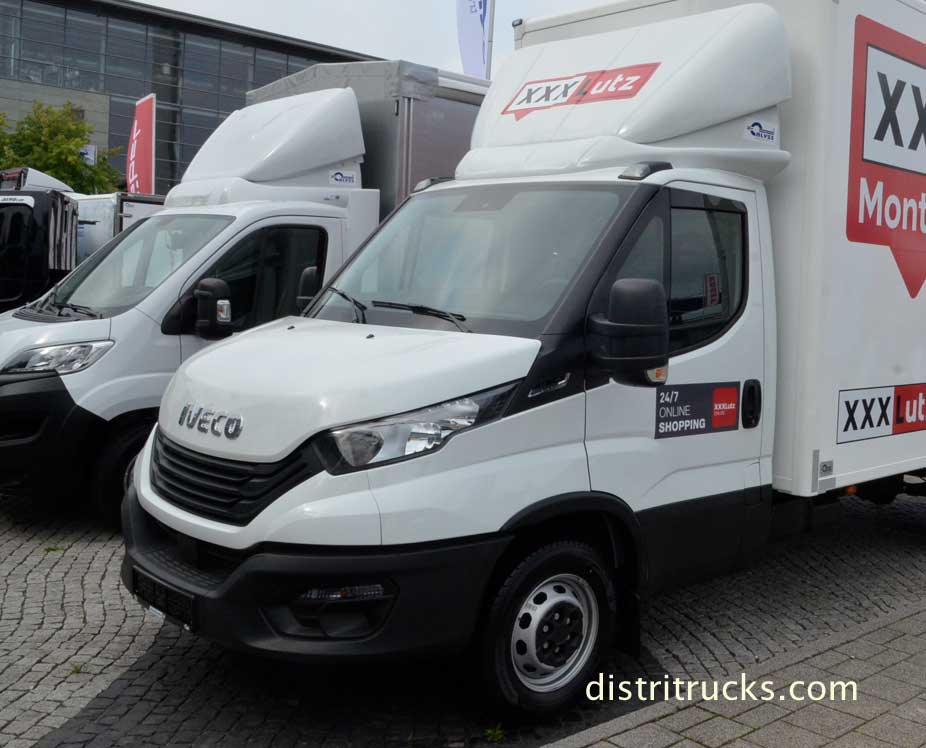
Vans with a GVW of 2,500 kg or more include, for example, the Renault Trafic, Renault Master, Iveco Daily, and Mercedes-Benz Sprinter. Small vans such as the Volkswagen Caddy have a GVW below 2.5 tonnes.
All owners of these vehicles must have a Digital Tachograph (Smart Tacho type) installed in their vehicles. If the vehicle is driven only within national borders, the obligation does not apply. Drivers operating this type of van must apply for an official EU driver’s card from the competent authority in their country.
During an inspection, drivers must be able to present driving records for the past eight weeks. The inspector can then verify whether the driver has complied with driving and rest times.
For the fleet owner, it is mandatory to regularly read out the tachograph and driver cards and check the data on them. The data must be retained for one year. This is because the Traffic Inspectorate can conduct inspections at the owner’s company.
If a vehicle is equipped with a tachograph, its use is mandatory, even domestically. Should the driver make a trip abroad, the inspecting official must be able to verify the information for the past eight weeks in that case as well.
An exception applies to vehicles that are not driven for extended periods. Many enforcement agencies assume a maximum of 12 driving hours per week for this exemption. This is important for e.g. construction workers, who only use their vans to drive to the construction site. During an inspection, the driver must be able to demonstrate that he drives a limited number of hours per week, for example with an activity logbook. The 12-hour standard is not mentioned in the EU regulation; countries can give their own interpretation to this.
The aim of the new regulation is to combat unfair competition from couriers who currently drive throughout Europe without any restrictions – without having to adhere to driving time regulations.



[…] Tachograph requirement for vans operating internationally: implementation as of July 1, 2026 […]